

Metal complex dye technology innovates the packaging industry: aluminum foil electroplating has a corrosion resistance of over 500 hours, cigarette packaging printing has low VOC emissions, and water oil solubility is suitable for multiple scenarios. The rise of environmentally friendly copper zinc dyes requires precise dissolution processes and water quality control. In the future, near-infrared functional applications will be expanded.
1、 Core application scenarios
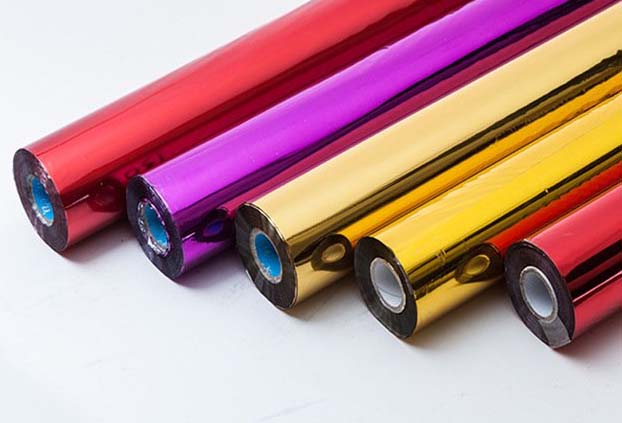
Aluminum foil and vacuum electroplating packaging
Application case: Coloring of food packaging aluminum foil and vacuum electroplated PVC/PET film for cosmetics.
Technical advantages: Metal complex dyes enhance coating adhesion by forming chemical bonds with metal surfaces, while significantly improving corrosion resistance compared to traditional dyes. For example, in the aluminum foil electroplating process, dyes as surface coating components can extend the salt spray resistance test time of the metal surface to over 500 hours.
Cigarette packs and environmentally friendly hot stamping film
Application case: High end cigarette packaging, environmentally friendly hot stamping process.
Technical advantages: Water oil two soluble metal complex dyes can dissolve in both water and organic solvents simultaneously, meeting the requirements of low VOC emissions for cigarette packaging printing. Its transparent coloring effect gives the hot stamping pattern a more metallic luster, and its wet abrasion resistance reaches 4-5 levels (international standard 1-5 levels).
Plastic film and composite packaging
Application cases: Printing of plastic films such as OPP/PET/BOPP, as well as multi-layer composite packaging materials.
Technical advantages: After mixing dyes with polyester resin, acrylic resin, etc., uniform coloring can be achieved, and the acid and alkali resistance is excellent (stable within the pH range of 2-12), suitable for packaging acidic or alkaline contents such as cosmetics and drugs.
2、 Key performance requirements
Environmental compliance
Heavy metal restrictions: The EU RoHS standard requires copper/nickel content to be ≤ 75mg/kg and chromium content to be ≤ 50mg/kg. Copper zinc complex dyes are gradually replacing traditional chromium cobalt dyes due to their compliance with this standard.
Wastewater treatment: The residual dye content in the dyed wastewater must be less than 7% (according to EU regulations), and the dye coloring rate must exceed 93%.
Solubility and stability
Solvent selection: Depending on the printing process requirements, dyes need to be suitable for water-based, oil-based, or alcohol based solvents. For example, water-soluble dyes can be used for printer ink and water-based ink, while solvent based dyes (such as solvent yellow 21 and solvent red 100) are suitable for non-polar solvent systems.
Storage conditions: Avoid high temperatures and direct sunlight to prevent dye decomposition or deterioration. Some dyes may undergo thermosensitive discoloration when the temperature exceeds 60 ℃, especially red and blue varieties.
3、 Precautions for use
Dissolving process control
Operation steps:
Temperature management: The temperature during the dissolution process should not be too high (generally not exceeding 80 ℃), otherwise it may cause dye decomposition and affect the brightness of the color.
First, mix it into a paste with cold water, then add hot or boiling water to dilute and prevent clumping.
If commercial dyes contain fillers, they need to be boiled and stirred until completely dissolved, and finally sieved and injected into the tank to avoid the formation of color spots (spots).
Water quality and chelating agent screening
Water quality requirements: The hardness of the dyeing water should be controlled between 100-150mg/kg. If the water quality is too hard, 0.5-2g/L chelating agent (such as Ausu Chemical No. 88) can be added to improve the water quality.
Contraindications for chelating agents: Avoid using phosphate or surfactant chelating agents, as they may damage the metal complex structure in the dye, resulting in dull color or decreased color fastness.
Printing process adaptability
Concentration control: Adjust the dye concentration based on the water absorption and pattern complexity of the packaging material. Excessive concentration may cause color bleeding, while low concentration may result in less vibrant colors. For example, in cigarette pack printing, the dye concentration is usually controlled between 0.5% and 2%.
Printing method selection:
Gravure printing: suitable for large-area coloring, attention should be paid to the fluidity of the dye in the grooves.
Screen printing: suitable for fine patterns, requires the selection of dyes with small particle sizes (such as solvent based dyes with particle sizes ≤ 1 μ m).
Inkjet printing: requires the use of water-soluble and oil soluble dyes to ensure that the ink does not clog in the nozzle.
Post processing and security protection
Washing temperature: After dyeing is terminated, the washing temperature outside the tank should be controlled at 50-60 ℃ to prevent packaging materials (such as aluminum foil and plastic film) from wrinkling.
Solid color treatment: For packaging with high requirements for color fastness (such as high-end cosmetic boxes), cationic color fixatives (2% -6% OWF) can be used to soak at 55 ℃ for 30 minutes to improve color fastness by 0.5-1.5 levels.
Safety protection: Operators should wear protective gloves and masks to avoid dye contact with the skin or respiratory tract. Waste must be classified and recycled according to hazardous waste disposal standards.
4、 Industry Trends and Challenges
Environmentally friendly alternative technology: Copper zinc complex dyes are becoming the mainstream choice due to their low heavy metal content.
Functional expansion: By adjusting the ligand structure, the dye absorption wavelength can be extended to the near-infrared region (750-830nm), meeting special requirements such as agricultural dimming films.
Cost pressure: The synthesis process of environmentally friendly dyes is complex, resulting in prices that are 20% -30% higher than traditional dyes. Small and medium-sized enterprises need to reduce costs through large-scale production.

 客服1
客服1